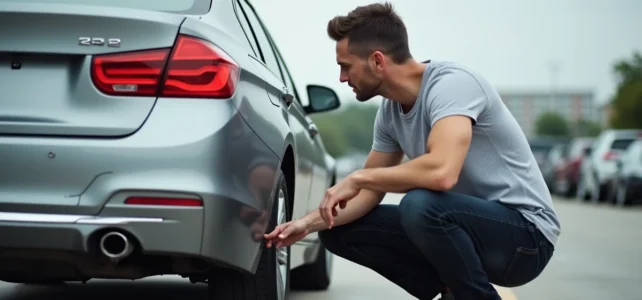
A dent on the bodywork is not just an aesthetic issue. Behind a bump or scratch, the vehicle’s structure, its protection in case of a new impact, and its resale value can be affected. This article measures the differences between superficial damage and structural damage, and details the steps to take to limit financial and mechanical damage.
Structural or superficial damage after an impact: key differences table
Not all impacts are equal. A parking scratch and a bent frame involve different risks and budgets. The table below contrasts the two categories of damage based on criteria that matter to a driver.
| Criterion | Superficial Damage | Structural Damage |
|---|---|---|
| Affected Elements | Paint, varnish, plastic bumper | Frames, cross members, mounting supports, chassis |
| Immediate Visibility | Scratch, paint chip, slight dent | Sometimes invisible (internal deformation, abnormal body gaps) |
| Corrosion Risk | Limited if treated quickly | High, potentially reaching the chassis if the protective paint is stripped |
| Impact on Safety | None to low | Altered deformation zones, reduced protection in a second impact |
| Technical Inspection | Rarely affected | May lead to a re-inspection or major failure |
| Typical Repair | Paintless dent removal, local touch-up, polishing | Frame straightening, parts replacement, measurement bench |
| Cost Magnitude | Low to moderate | Significantly higher, sometimes close to the vehicle’s residual value |
The consequences of a shock on the bodywork largely depend on the nature of the affected parts, not just the size of the bump visible to the naked eye.

Unrepaired bodywork: what corrosion and deformation change over time
A structural damage left unrepaired does not remain stable. It worsens. Progressive corrosion can reach the chassis within a few months if the paint and primer layer has been pierced down to the bare metal.
The problem goes beyond visible rust. A deformed area after an impact no longer functions as the manufacturer intended. In the event of a new accident, the protection capacity for occupants significantly decreases because the energy absorption zones have already been stressed or displaced.
Major garage networks (AD, Five Star, independents) now incorporate this argument into their customer education. Waiting several months before repairing leads to significantly higher restoration costs than if the intervention is carried out quickly after the impact.
Technical Inspection and Damaged Bodywork
Since the tightening of technical inspection regulations, visibly damaged bodywork can lead to a re-inspection or even a major failure preventing circulation. The inspection points particularly focus on the condition of structural elements, bumper attachment, and the absence of dangerous protruding parts for pedestrians.
A vehicle that drives with a poorly attached bumper or a deformed fender poses not only an aesthetic problem. It exposes its owner to a refusal of validation during the periodic inspection.
Damaged Bumper: Repair or Replace Depending on the Type of Impact
The bumper absorbs most low-speed impacts. Its decision to repair or replace significantly affects the bodywork budget.
- Superficial scratch or slight dent without cracks: a body shop can intervene by sanding, applying filler, and local paint touch-up. The bumper retains its mechanical properties.
- Through crack or marked deformation: the part has lost its absorption capacity. Replacement is preferable, especially if the mounting supports or rear cross member are also affected.
- Combined damage (bumper + parking sensors or rearview camera): repair requires recalibrating the driver assistance systems, which increases the cost and intervention time.
A cracked bumper no longer protects during a second impact. This factor weighs as much as the repair cost in the decision-making process.
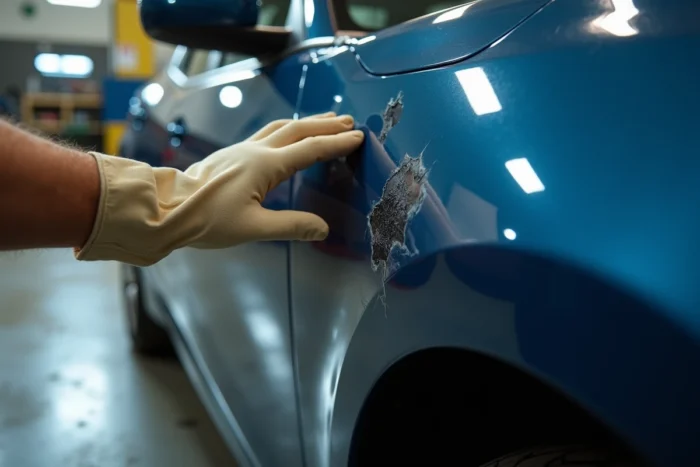
Reacting After a Shock to the Bodywork: Steps to Protect Your Compensation
The way a driver reacts in the minutes and days following an impact directly influences the amount of their compensation and the preservation of their bonus.
On-Site: Document Before Everything
Photograph the damage from multiple angles, including details (body gaps, cracks, paint chips). Fill out an amicable report even for a minor impact. An incomplete or absent report complicates the insurer’s handling.
Insurance: What Your Contract Really Covers
Coverage depends on the level of guarantee subscribed:
- Third-party insurance: does not cover damage to your own vehicle, except for optional options (glass breakage, hail guarantee).
- Comprehensive insurance: covers material damage, even if you are at fault. A deductible usually applies.
- “All-accident damage” guarantee: an intermediate variant that covers impacts even without an identified third party, but with variable ceilings depending on the contracts.
Reporting the claim within five working days remains the standard rule. Exceeding this deadline may lead to a refusal of coverage.
Choice of Repairer and Vehicle Depreciation
An accident-damaged vehicle, even if properly repaired, suffers depreciation upon resale. This loss of value is rarely compensated by insurance, unless a “new value” guarantee has been subscribed. Going through an insurer-approved body shop speeds up the management of the file, but the owner retains the freedom to choose their repairer.
A shock to the bodywork involves a chain of decisions that goes beyond simple aesthetic repair. The structural or superficial nature of the damage, the type of insurance contract, and the intervention time determine both the final cost and the long-term safety of the vehicle.